Introduction
A functional water heater is essential for modern living, providing hot water for a variety of daily activities such as showering, cooking, and cleaning. When a water heater begins to show signs of failure, homeowners face a critical decision: should they attempt a DIY replacement or hire a professional? While DIY projects can be tempting, particularly for the cost-conscious, the benefits of opting for professional water heater replacement are significant. This article explores the comprehensive advantages, potential pitfalls of DIY approaches, cost considerations, environmental impacts, and what to expect during a professional installation process.
The Importance of a Functional Water Heater
The role of a water heater extends beyond simply heating water; it is fundamental to household comfort and hygiene. A malfunctioning unit can lead to inadequate hot water supply or even dangerous leaks, which can cause water damage and mold growth in the home. Regular maintenance and timely replacement are crucial for ensuring that your water heater operates efficiently and safely.
In an age where convenience and reliability are paramount, having a dependable water heater is not just a luxury; it is a necessity. Thus, understanding the implications of when to replace your unit becomes essential for every homeowner.
Why Choose Professional Services?
While DIY projects can be fulfilling, they may not always offer the best solution for complex systems like water heaters. Professional services provide a level of expertise that most homeowners lack. Certified technicians are trained to understand the intricacies of various water heater models, ensuring that the replacement is executed correctly and efficiently.
Moreover, professionals are equipped to handle unexpected issues that may arise during the installation. Their experience allows them to foresee potential complications, thereby preventing costly errors that could arise from an inexperienced attempt.
Understanding Water Heater Replacement
What Does Water Heater Replacement Involve?
Water heater replacement involves several steps, including assessing the current unit, choosing a suitable replacement, and performing the installation. The process often begins with a detailed evaluation to determine the specific needs of the household, which can vary based on family size and hot water usage patterns. Once these factors are assessed, the technician will recommend the most appropriate type and model of water heater.
Installation involves safely disconnecting the old unit, making necessary plumbing and electrical adjustments, and thoroughly testing the new system to ensure it operates correctly. Each of these steps requires a level of expertise that reduces the likelihood of future issues.
Types of Water Heaters
Water heaters come in various types, each with its advantages and disadvantages. The most common types include traditional tank water heaters, tankless water heaters, heat pump water heaters, and solar water heaters. Understanding these options is crucial for making an informed decision when replacing your water heater.
Traditional tank water heaters are often the most cost-effective initial investment, while tankless systems provide an endless supply of hot water and are more energy-efficient. Heat pump water heaters utilize ambient air for heating, offering significant energy savings, whereas solar water heaters leverage the sun’s energy, but may require a larger upfront investment. A professional can help you navigate these options and select the best fit for your home.
Advantages of Professional Water Heater Replacement
Expertise and Experience
One of the most significant benefits of hiring professionals for water heater replacement lies in their expertise and experience. Certified technicians have undergone extensive training to install, maintain, and repair various types of water heaters. Their knowledge allows them to tackle challenges that a typical homeowner might not anticipate, such as dealing with local plumbing codes or unforeseen complications during installation.
Moreover, professionals can offer valuable advice on the most efficient and suitable models for your home based on your specific needs. Their expertise ensures that you not only get the right product but that it is installed correctly to maximize its lifespan and performance.
Safety Considerations
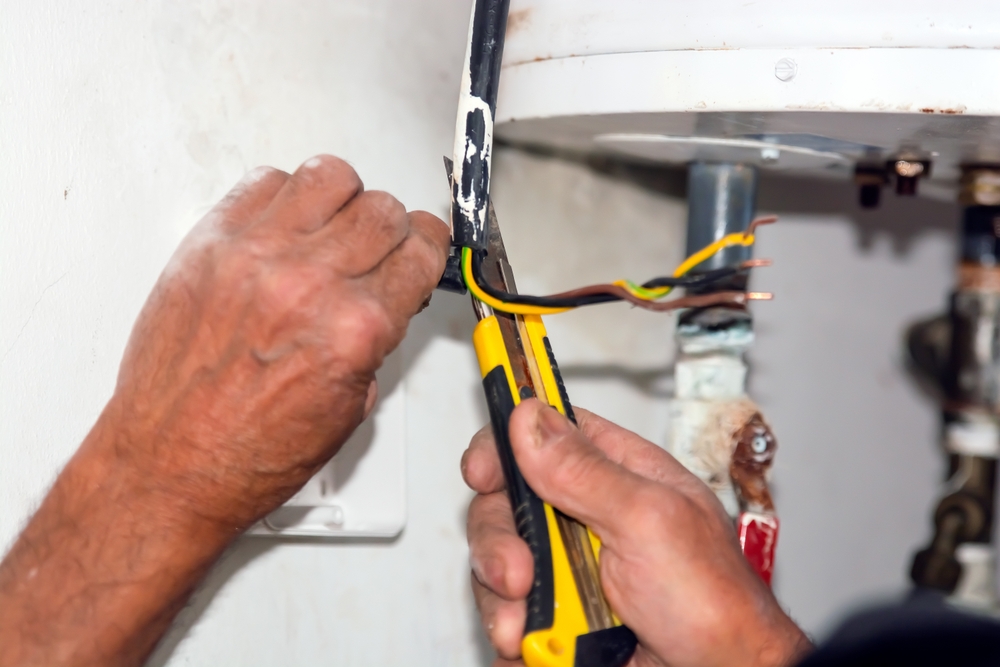
Safety is a paramount concern when it comes to water heater replacement. Water heaters involve elements of both electricity and plumbing, both of which pose risks if not handled correctly. Professionals are trained to adhere to safety standards and practices that reduce the risk of accidents, such as electrocution or gas leaks.
Additionally, many professionals are licensed and insured, providing peace of mind. Homeowners can feel secure knowing that any potential liability is covered in the event of an accident during the installation process.
Time Efficiency
Time is often a significant factor for homeowners when it comes to replacing appliances. A professional water heater replacement can be completed in a fraction of the time it would take an inexperienced person to do it themselves. Professionals come equipped with the right tools and experience to get the job done efficiently.
By choosing a professional service, homeowners can avoid lengthy trial-and-error processes that often accompany DIY projects. This efficiency means less downtime without hot water, allowing families to return to their normal routines more quickly.
Proper Tools and Equipment
Professional technicians come equipped with specialized tools and equipment necessary for water heater installation. This includes everything from wrenches and drills to advanced diagnostic tools that can identify issues before they become major problems. Furthermore, professionals have access to higher-quality components that may not be readily available at local hardware stores.
Using the right tools ensures that the installation is performed correctly, minimizing the likelihood of future repairs or replacements. The right equipment also enhances safety, as many DIYers may attempt to use tools they are not familiar with, increasing the risk of injury or damage.
Warranty and Guarantees
Professional installations typically come with warranties and guarantees that protect the homeowner against defects in workmanship or parts. These warranties can offer significant peace of mind, assuring the homeowner that if something goes wrong, they will not bear the financial burden of repairs.
In contrast, DIY installations often lack such warranties, leaving homeowners responsible for any issues that arise. This added layer of protection provided by professionals is a crucial consideration, particularly for significant investments like water heaters.
Common Mistakes in DIY Water Heater Replacement
Misjudging the Right Size
One of the most common mistakes in DIY water heater replacement is inaccurately estimating the size needed for the household’s hot water demands. A water heater that is too small will not provide sufficient hot water, leading to frequent cold showers and overall dissatisfaction. Conversely, a unit that is too large can lead to unnecessary energy costs and wasted resources.
Professionals can assess your household requirements accurately, ensuring that the right size is installed from the outset. This consideration is critical for efficiency and satisfaction.
Improper Installation Techniques
Improper installation techniques can lead to various issues, including leaks, inefficient heating, and even potential hazards like gas leaks or electrical fires. Many homeowners may not be aware of the best practices for installation, which can jeopardize the safety and effectiveness of their water heater.
Professionals are trained to follow industry standards and regulations, ensuring that the installation meets all safety guidelines. They also understand how to troubleshoot issues during installation, minimizing the risk of future problems.
Neglecting Local Codes and Regulations
Each locality has specific plumbing and electrical codes that must be followed during water heater installation. DIYers often overlook these regulations, putting themselves at risk for fines or requiring costly rework. Failure to comply with local laws can also pose significant safety risks.
Professional technicians are well-versed in local codes and regulations, ensuring that their work is compliant and safe. This knowledge protects homeowners from potential legal issues and enhances the overall safety of the installation.
Cost Considerations
Initial Costs vs. Long-term Savings
The initial cost of hiring a professional to replace a water heater may seem daunting, especially when compared to the perceived savings of a DIY approach. However, it’s essential to consider the long-term savings associated with professional installation. Proper installation can lead to improved energy efficiency, reducing monthly utility bills over time.
Additionally, a professionally installed water heater is likely to last longer and require fewer repairs, resulting in overall cost savings. Therefore, while the upfront costs may be higher, the long-term financial benefits often outweigh these initial expenditures.
The Hidden Costs of DIY
DIY water heater replacement may seem like a cost-effective solution, but hidden costs can quickly add up. Common pitfalls include the need to purchase tools that may only be used once, the potential for improper installation leading to costly repairs, and the time lost during the installation process.
Moreover, if a DIY installation fails, the homeowner may find themselves needing to hire a professional to fix the mistakes, leading to further expenses. These hidden costs often negate any initial savings gained from attempting the project alone.
Financing Options with Professionals
Many professional plumbing and HVAC companies offer financing options to help manage the costs of water heater replacement. These financing plans can break down the total expense into manageable monthly payments, making it easier for homeowners to budget for such significant investments without sacrificing quality.
Additionally, professionals may have access to exclusive deals and discounts on quality water heaters that may not be available to the general public. This access can further enhance the affordability of hiring a professional service.
Environmental Impact
Energy Efficiency of Professional Installations
Energy efficiency is a growing concern for many homeowners, and professional water heater installation can contribute significantly to reducing a household’s carbon footprint. Professionals are knowledgeable about the latest energy-efficient models and can recommend systems that meet both environmental and budgetary needs.
Efficient water heaters consume less energy, which not only benefits the environment but also reduces utility bills. Upgrading to a more efficient model is a significant step towards a sustainable household.
Disposal of Old Water Heaters
Another environmental consideration is the proper disposal of old water heaters. Many DIYers may not know how to responsibly dispose of their old units, which can lead to environmental hazards. Professionals are equipped to handle old units safely and may even recycle parts where possible, reducing landfill waste.
By choosing professional services, homeowners can ensure that their old water heaters are disposed of responsibly, aligning with environmentally friendly practices.
What to Expect During a Professional Water Heater Replacement
Initial Consultation and Assessment
The replacement process begins with an initial consultation where the technician assesses the current water heater and discusses the homeowner’s needs and concerns. This assessment includes evaluating the size, efficiency, and condition of the existing unit, as well as considering the household’s hot water usage.
During this consultation, homeowners can ask questions and receive expert advice on the best options available. This personalized approach ensures that the homeowner feels confident and informed about their decisions moving forward.
Choosing the Right Water Heater
After the assessment, the technician will recommend suitable options for the new water heater based on the evaluation. Factors such as energy efficiency, size, and budget will be discussed to ensure the homeowner selects a water heater that will meet their needs effectively.
This stage is critical, as the right choice will influence long-term satisfaction and efficiency. Professionals help simplify this process by providing detailed information and comparisons of different models.
Installation Process Overview
Once the new water heater is chosen, the professional will schedule a time for installation. This process typically involves safely disconnecting the old unit, making necessary plumbing modifications, and installing the new heater according to manufacturer specifications and local codes.
After installation, the technician will conduct thorough testing to ensure everything operates correctly and efficiently. They will provide the homeowner with instructions for use and maintenance, ensuring that the homeowner understands how to care for their new system.
Conclusion
In summary, while the allure of DIY water heater replacement may seem appealing at first, the risks, potential mistakes, and long-term financial implications often overshadow the initial savings. Hiring professional services like those from Sewell Electric & HVAC offers expertise, safety, time efficiency, and valuable warranties, making it the superior choice for most homeowners.
From understanding the complexities of water heater types to appreciating the environmental impact of proper installations, the benefits of professional water heater replacement are extensive. Homeowners looking to ensure the longevity and efficiency of their home systems should prioritize professional services for their water heater needs.