Introduction
Water heaters are essential appliances in any household, providing comfort, convenience, and hygiene in our daily lives. However, like any mechanical device, they have a lifespan that eventually leads to the need for replacement. This article aims to guide homeowners through recognizing the signs that indicate it may be time for a water heater replacement. By understanding these indicators, individuals can make informed decisions, ensuring their homes remain comfortable and energy-efficient.
Throughout this comprehensive guide, we will explore the typical lifespan of water heaters, common signs of failure, cost considerations, the replacement process, and the benefits of hiring a professional for water heater installation. Whether you’re experiencing issues with your current unit or simply seeking preventative advice, this article will provide the insights you need to navigate the water heater replacement process.
Understanding Water Heater Lifespan
Typical Lifespan of Different Water Heater Types
Water heaters are categorized into different types, and each has its typical lifespan. Conventional tank water heaters generally last between 10 to 15 years, while tankless water heaters are known for their longevity, often exceeding 20 years with proper maintenance. Heat pump water heaters tend to have a lifespan of around 15 years, and solar water heaters can last up to 20 years or more, depending on the quality of installation and maintenance.
It’s essential to keep track of the age of your water heater, as older units are more prone to issues and inefficiencies. Homeowners should consider replacing their water heaters as they approach the end of their expected lifespan to avoid sudden failures and the inconvenience of unexpected cold showers.
Factors Influencing Water Heater Longevity
Several factors can influence how long a water heater lasts. Firstly, the quality of the unit plays a significant role; higher-end models often come with better materials and construction, leading to increased durability. Secondly, water quality, including mineral content and hardness, can affect the longevity of a water heater. Hard water can lead to sediment buildup, impacting efficiency and leading to premature wear.
Regular maintenance, such as flushing the tank to remove sediment buildup and checking the anode rod, can also extend the life of a water heater. Additionally, the frequency of use and the overall demand for hot water in a household can influence how quickly a unit wears out. Understanding these factors can help homeowners make informed decisions about their water heater’s maintenance and replacement schedule.
Key Signs Indicating the Need for Water Heater Replacement
Inconsistent Water Temperature
If you notice fluctuations in water temperature, this could be a significant sign that your water heater is failing. A properly functioning water heater should provide consistent hot water without interruption. If you’re experiencing sudden bursts of cold water during a shower or inconsistent heating, it may indicate that the heating element is deteriorating or that sediment has built up in the tank.
Inconsistent temperatures can also lead to discomfort and dissatisfaction with your water heater’s performance. If these issues persist, it may be time to consider a replacement rather than continuing to deal with unreliable hot water supply.
Strange Noises from the Heater
Another indicator of a failing water heater is the presence of strange noises coming from the unit. Sounds like popping, rumbling, or hissing can indicate sediment buildup at the bottom of the tank, which can cause overheating and damage the tank over time. These noises often signal that the unit is working harder than it should, leading to increased energy consumption.
If the noises become more frequent or louder, it’s advisable to have a professional inspect the water heater. Prolonged exposure to these sounds can lead to failures that necessitate immediate replacement.
Visible Signs of Leakage
Leakage is one of the most critical signs that a water heater needs to be replaced. If you notice water pooling around the base of the heater or signs of corrosion on the tank itself, this could indicate a significant problem inside the unit. Over time, rust and corrosion can weaken the structural integrity of the water heater, leading to further leaks and potential hazards.
Ignoring leaks can lead to extensive water damage in your home, so it’s crucial to address any signs of leakage immediately. If the unit is leaking and it’s beyond minor repairs, replacement is often the safest and most cost-effective option.
Discolored or Rusty Water
The quality of hot water can also serve as an indicator of a failing unit. If you notice that the hot water coming from your taps is discolored, rusty, or has a metallic taste or odor, this could suggest corrosion within the tank. Rusty water can not only be unpleasant but also indicates that your water heater is deteriorating internally.
While some discoloration can be temporary and due to changes in municipal water supply, persistent issues should not be ignored. If your water heater is producing rusty water consistently, it may be time to consider replacement to ensure the health and safety of your household.
Decreased Hot Water Supply
A common complaint among homeowners is a sudden decrease in the amount of hot water available for use. If you find that your hot water supply is running out faster than usual or that you are unable to fill a bathtub with hot water as you could previously, this could signal that the tank is not heating effectively due to sediment buildup or a failing heating element.
Decreased hot water supply can significantly impact daily convenience and routine. If the problem persists after attempts at repair or flushing the tank, it may indicate that the unit is near the end of its lifespan, necessitating a replacement.
Increased Energy Bills
As water heaters age, they often become less efficient. If you notice a sudden spike in your energy bills, it may be due to an aging water heater that requires more energy to heat water effectively. Increased energy consumption is often a key indicator that the unit is struggling and could be on the brink of failure.
Monitoring energy bills and conducting regular efficiency assessments can help detect these issues early. If an older model is causing energy inefficiencies, replacement with a newer, energy-efficient model may save you money in the long run.
Evaluating the Cost of Repair vs. Replacement
Common Repair Costs for Water Heaters
Repairs for water heaters can vary widely in cost depending on the nature of the issue. Common repairs, such as replacing elements or thermostats, can range from $100 to $300. More extensive repairs, like fixing leaks or replacing a heating element, can cost significantly more, often climbing to $500 or more.
Homeowners should keep in mind that frequent repairs on an older water heater can add up quickly. If repairs start to exceed 50% of the cost of a new unit, it may be time to consider a replacement instead of continuing to invest in an aging system.
When to Consider Replacement Over Repair
Determining whether to repair or replace your water heater hinges on several factors, including the age of the unit, the severity of the issue, and the overall condition of the appliance. If the water heater is nearing the end of its lifespan and is experiencing multiple issues, replacement may be the most logical choice.
Additionally, if the unit requires significant repairs or if it is consistently causing problems, investing in a new, energy-efficient model could yield better performance and lower utility bills in the long run. Weighing the costs of ongoing repairs against the benefits of a new water heater can help guide your decision.
Choosing the Right Water Heater for Your Needs
Types of Water Heaters Available
There are several types of water heaters available today, each with its advantages and disadvantages. Conventional tank water heaters are common but take up considerable space and have limited hot water supply. Tankless water heaters offer on-demand heating, providing unlimited hot water but may require a higher upfront cost.
Heat pump water heaters are energy-efficient and environmentally friendly, while solar water heaters harness renewable energy but may be less practical for some households due to initial installation costs. Evaluating your household’s hot water needs, space considerations, and budget will help determine the best option for you.
Energy Efficiency Ratings and Considerations
When selecting a new water heater, it’s essential to consider energy efficiency ratings. Look for models with a high Energy Factor (EF) rating, which indicates better efficiency in converting energy into hot water. Energy-efficient water heaters not only reduce your carbon footprint but also save you money on utility bills over time.
Additionally, many local governments offer rebates or incentives for purchasing energy-efficient appliances, so researching available programs in your area can further offset initial costs. Investing in an energy-efficient unit is not only beneficial for your wallet but also for the environment.
Sizing Your Water Heater Correctly
Proper sizing is crucial when selecting a new water heater. Under-sizing can lead to insufficient hot water for your household’s needs, while over-sizing can waste energy and space. To determine the right size, consider the number of people in your home, peak usage times, and the types of appliances that rely on hot water.
For tank water heaters, the tank capacity should align with your household’s demands, typically ranging from 30 to 80 gallons. For tankless models, evaluate the flow rate needed for simultaneous use of multiple appliances. Consulting with a professional can ensure you select a unit that meets your specific needs effectively.
The Water Heater Replacement Process
Initial Assessment and Consultation
The replacement process begins with an initial assessment and consultation. A qualified technician can evaluate your current water heater’s condition and help you decide whether repair or replacement is the best course of action. During this stage, they will also discuss your household’s hot water needs and any preferences regarding energy efficiency.
This consultation is an opportunity to ask questions about different types of water heaters, installation procedures, and maintenance plans. Having a clear understanding of your options will empower you to make the best decisions for your home.
Preparing Your Home for Installation
Once you decide to proceed with a replacement, preparation is necessary. This may include clearing the area around the existing water heater and ensuring there is adequate access for the installation team. Your technician will provide guidance on what to do before installation day.
It’s also essential to consider any plumbing or electrical work that may need to be adjusted to accommodate the new unit. Proper planning can help ensure a smooth installation process and prevent any unexpected issues from arising.
What to Expect During the Replacement
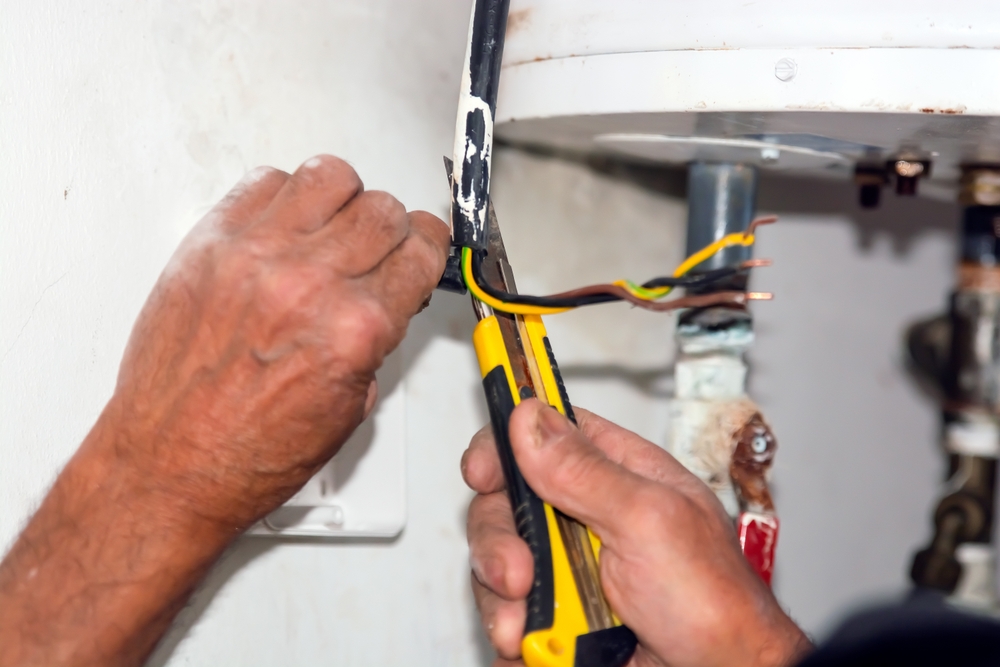
On the day of installation, you can expect the technicians to arrive with the necessary tools and equipment. The old water heater will be removed, and the new unit will be installed according to local codes and manufacturer guidelines. This process may involve connecting plumbing, electrical wiring, and any additional components required for the new system.
The installation typically takes several hours, depending on the complexity of the job and the type of water heater being installed. Once completed, the technicians will run tests to ensure everything is functioning correctly and provide instructions on how to operate and maintain your new water heater.
Benefits of Professional Water Heater Replacement Services
Expert Installation and Safety Considerations
Choosing to hire a professional for water heater replacement offers several key benefits, including expert installation. Professionals understand the intricacies of plumbing and electrical systems and can ensure that your new water heater is installed safely and effectively. This reduces the risk of leaks, electrical issues, or other problems that may arise from improper installation.
Additionally, a professional installation often adheres to local building codes, ensuring that your unit operates safely. This attention to detail is vital in maintaining the integrity of your home and preventing future issues related to hot water supply or appliance efficiency.
Long-Term Performance and Warranty Benefits
Another significant advantage of professional installation is the assurance of long-term performance. Licensed technicians possess the experience needed to install water heaters in a manner that maximizes their efficiency and lifespan. Many manufacturers require professional installation for warranty purposes, meaning that if any issues arise, you can have peace of mind knowing that you are covered.
In the event of a malfunction, professional installation can also make the warranty claim process smoother, as the installation will be documented and compliant with the manufacturer’s requirements. This ultimately saves time and reduces potential frustrations associated with appliance failures.
Reliable Aftercare and Maintenance Plans
Many professional service providers offer aftercare and maintenance plans for water heaters, ensuring that your new unit continues to operate at peak performance. Regular maintenance can help prevent issues, prolong the life of the appliance, and maintain efficiency, saving you money on energy bills.
Service plans often include periodic inspections, flushing the tank to remove sediment buildup, and checking the anode rod to prevent rust. These proactive measures can help keep your water heater in excellent condition, providing reliable hot water for years to come.
Conclusion
In summary, recognizing the signs that indicate a need for water heater replacement can save homeowners time, money, and discomfort. Key indicators include inconsistent water temperature, strange noises, visible leakage, discolored water, decreased supply, and increased energy bills. Evaluating the cost of repair versus replacement is crucial in making an informed decision about your water heater needs.
Choosing the right water heater involves understanding the types available, considering energy efficiency, and ensuring proper sizing to meet your household demands. Professional installation not only guarantees safety and compliance with regulations but also provides long-term performance benefits and maintenance options. When you’re ready for a professional installation from qualified water heater replacement professionals call Sewell Electric & HVAC for more information.