Introduction
Upgrading your home’s electrical system is a significant yet essential investment for any homeowner. An outdated electrical system can lead to various issues, including safety hazards, inefficiency, and a decrease in property value. This article aims to provide comprehensive insights into recognizing the need for an upgrade, understanding the benefits, and outlining the processes involved in enhancing your home’s electrical infrastructure.
Understanding Your Current Electrical System
Components of an Electrical System
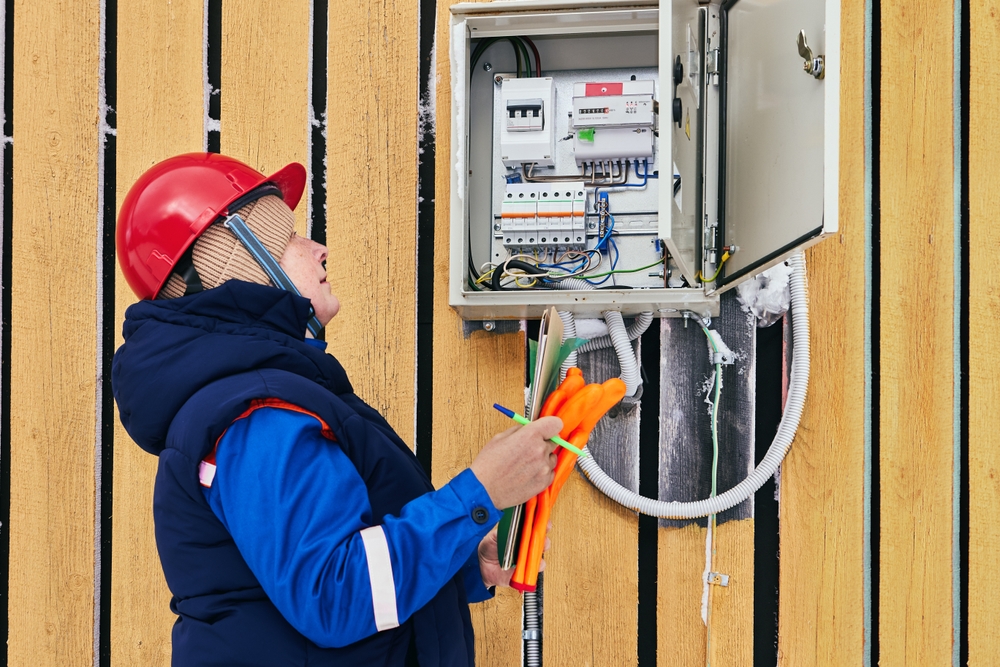
Your home’s electrical system is composed of several key components that work together to ensure that electricity is delivered safely and effectively. These components include the main service panel, circuit breakers, wiring, outlets, switches, and ground fault circuit interrupters (GFCIs). The main service panel is the hub of electricity distribution, regulating the flow to various parts of the home. Circuit breakers protect the system from overloads, while wiring channels electricity safely throughout the residence.
Outlets and switches allow you to connect and control electrical devices, whereas GFCIs are crucial for preventing electrical shocks in areas prone to moisture, such as kitchens and bathrooms. Understanding these components will help you identify potential areas that may require upgrades as technology and electrical demands evolve.
Common Issues with Outdated Electrical Systems
Older electrical systems often fail to meet modern power demands. This can lead to persistent issues, such as flickering lights, frequent circuit breaker trips, or even electrical fires. Outdated wiring can be especially problematic, as it may not be insulated effectively, leading to overheating and increased risk of short circuits. Additionally, older systems may lack the necessary GFCIs and AFCIs (arc fault circuit interrupters), which are crucial for modern safety standards.
Recognizing these issues early can prevent hazardous situations and costly repairs down the line. Regular inspections and assessments can help homeowners stay ahead of potential problems by identifying outdated components that need attention.
Signs That Your Electrical System Needs Upgrading
Frequent Circuit Breaker Trips
One of the most telling signs that your electrical system requires an upgrade is the frequent tripping of circuit breakers. If your breakers trip often, it indicates that the circuit is overloaded, which can lead to electrical fires. This issue arises when too many devices draw power from a single circuit, which older systems are not designed to handle. If you find yourself resetting breakers regularly, it’s time to consult with an electrician.
Furthermore, the repeated need to reset breakers can disrupt daily life and may necessitate the use of extension cords, which can pose additional safety risks. An upgraded electrical system can resolve these issues by redistributing the electrical load across multiple circuits.
Flickering or Dimming Lights
Flickering or dimming lights are another clear indicator of electrical problems in your home. This condition can be caused by several factors, including poor wiring connections or overloaded circuits. In older homes, the wiring may be corroded or damaged, leading to inconsistent power delivery. These symptoms not only indicate underlying electrical issues but can also contribute to the premature burnout of light bulbs and other electrical devices.
Moreover, if flickering occurs when larger appliances are in use, it suggests that the electrical system is inadequate for your current power needs. An upgrade can enhance the reliability of your home’s lighting and electrical functionality.
Benefits of Upgrading Your Electrical System
Increased Safety
Upgrading your electrical system can significantly enhance the safety of your home. Modern electrical systems incorporate advanced safety features such as GFCIs and AFCIs, which protect against electrical shocks and fire hazards. Additionally, new wiring materials are often more durable and resistant to wear and tear, reducing the risk of shorts and other electrical failures. Upgraded breakers can also provide more reliable protection against overloads, ensuring that your home’s electrical system operates within safe limits.
By ensuring that your electrical system meets current safety standards, you are not only protecting your family but also reducing the potential for costly damage to your property and possessions due to electrical fires or failures.
Improved Energy Efficiency
Another significant benefit of upgrading your electrical system is improved energy efficiency. Newer electrical technologies, such as LED lighting and smart home devices, can drastically reduce energy consumption while enhancing functionality. An upgraded electrical panel can also better manage energy distribution, identifying energy-hogging appliances and allowing for optimized energy use.
By investing in a more efficient electrical system, homeowners can see a reduction in monthly utility bills while contributing to environmental sustainability. Energy-efficient systems also have the added benefit of potentially increasing your home’s market value, as buyers are increasingly looking for homes with modern and efficient amenities.
Steps to Upgrade Your Electrical System
Consulting a Licensed Electrician
The first and foremost step in upgrading your electrical system is to consult a licensed electrician. Licensed professionals have the knowledge and experience to assess your current system, identify deficiencies, and recommend appropriate upgrades. They can navigate local codes and regulations, ensuring that your upgrades meet safety standards. Consulting with an electrician also provides peace of mind, as they can guide you on the scope and scale of the necessary work.
During the consultation, it’s vital to communicate your specific needs, such as any new appliances or technology you plan to incorporate into your home. This will help the electrician develop a tailored upgrade plan that addresses your unique requirements.
Assessing Your Electrical Needs
Once you have consulted with an electrician, the next step involves assessing your electrical needs. This assessment will typically include a thorough inspection of your current system, including wiring, breaker panels, outlets, and appliances. The electrician will evaluate how much power each device consumes and identify any areas of overload or inefficiency.
This assessment will also help you determine any additional circuits or outlets you may need to accommodate new technologies, such as home entertainment systems, smart devices, or electric vehicles. By clearly identifying your needs, you can ensure that the upgrade will be both comprehensive and effective.
Choosing the Right Upgrades for Your Electrical System
Upgrading Circuit Breakers and Panels
One of the most critical upgrades is enhancing your circuit breakers and the main electrical panel. Modern standards often require a minimum of 200 amps for residential properties to support the power demands of various devices. If your current panel is less than this, an upgrade may be necessary. Newer panels also offer improved safety features, such as better surge protection, which can shield your electronics from unexpected power spikes.
In addition to increasing capacity, consider installing smart breakers that can monitor energy usage and alert you to any issues. These advancements not only enhance safety but also provide valuable insights into your home’s energy consumption, allowing you to manage costs more effectively.
Installing GFCI and AFCI Outlets
Another important step in upgrading is the installation of Ground Fault Circuit Interrupters (GFCIs) and Arc Fault Circuit Interrupters (AFCIs). GFCIs are crucial in areas where water is present, helping to prevent electrical shocks. Meanwhile, AFCIs protect against electrical fires by detecting unwanted arcing conditions in electrical circuits.
These advanced outlets are now considered standard in new constructions and renovations. Installing them throughout your home not only enhances safety but also aligns your system with modern building codes, thereby increasing its reliability and efficiency.
Cost Considerations for Electrical System Upgrades
Budgeting for the Upgrade
When planning an upgrade to your electrical system, it’s essential to budget accordingly. The costs associated with upgrading can vary widely based on the scope of the project, the size of your home, and the specific upgrades required. Typically, homeowners can expect to spend anywhere from a few thousand dollars to tens of thousands, depending on the complexity of the upgrade.
It’s advisable to obtain multiple quotes from licensed electricians to ensure you receive a fair price. Additionally, consider setting aside a contingency fund to cover any unexpected expenses that may arise during the upgrade process. This will help you manage costs without compromising the scope of the project.
Potential Financing Options
If budgeting presents challenges, several financing options are available to assist homeowners in upgrading their electrical systems. Many local banks and credit unions offer home improvement loans that can help cover the costs of renovations. Additionally, some government programs provide financial assistance for energy-efficient upgrades, especially for low-income households.
Home equity lines of credit (HELOCs) can also be a viable option, allowing you to borrow against the equity in your home to fund necessary upgrades. It’s important to explore all financing avenues and choose the option that best fits your financial situation.
Safety Precautions During the Upgrade Process
Hiring Qualified Professionals
Safety should always be a priority when upgrading your electrical system. Hiring qualified professionals is crucial, as they possess the necessary expertise to complete the work safely and according to code. Attempting DIY electrical work without adequate knowledge can lead to severe safety hazards, including fires and electrocution.
Always ensure that the electrician you choose is licensed, insured, and has good reviews or references. A qualified professional will not only execute the upgrades but will also help ensure that your electrical system is fully compliant with local building codes and regulations.
Understanding Local Building Codes
Before beginning any electrical upgrades, it’s essential to understand local building codes and regulations. These codes are in place to ensure the safety and reliability of electrical systems. An electrician will be familiar with these codes, but as a homeowner, it’s beneficial to have a basic awareness of what is required.
Failure to comply with building codes can result in fines, and may also pose safety risks. If you plan to sell your home in the future, having a compliant electrical system will also be crucial for passing inspections and obtaining the necessary approvals from potential buyers.
Final Thoughts
Maintaining Your Upgraded Electrical System
Once you’ve successfully upgraded your electrical system, regular maintenance will ensure its longevity and safety. Schedule periodic inspections with a qualified electrician to identify potential issues before they escalate into major problems. Additionally, keeping an eye on your energy usage can help you detect any inefficiencies in your system.
Simple practices, such as regularly checking for frayed cords, ensuring all outlets are functioning properly, and keeping the main panel clear of obstructions, can go a long way in maintaining your electrical system. Regular maintenance not only ensures safety but also prolongs the life of your electrical components.
When to Seek Professional Help
Even with an upgraded electrical system, there may be times when you will need to seek professional help. For example, if you notice any unusual symptoms such as burning smells, tripped breakers, or consistently flickering lights, it’s important to contact a licensed electrician immediately. These can be signs of underlying issues that require immediate attention to prevent safety hazards.
Additionally, any major changes in your household’s electrical needs, such as adding new appliances or renovations, should always be discussed with a professional to ensure that your system can accommodate these changes safely and effectively. When you’re ready for a professional to come look at your home electrical system contact us at Sewell Electric & HVAC for more information.